


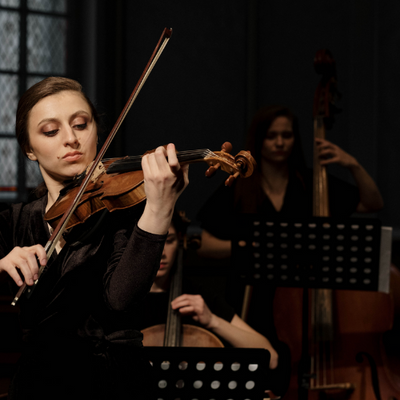
A Platform Where Young Musicians Step Into the Spotlight
In the journey of every young musician, there are defining moments — occasions that go beyond exams and studio lessons, where preparation meets purpose, and talent is shaped by experience. The Young Musician of the Year 2026, hosted by North London Collegiate School (Singapore), is designed to be one of those moments.
Open to musicians aged 5 to 18, the competition celebrates artistry across Strings, Woodwind, Brass, and Piano, welcoming students at different stages of their musical development. More than a contest, it is an invitation to step onto a professional stage, perform before an international panel, and share music within a community that values excellence, curiosity, and growth.
For many participants, this may be their first experience performing under concert conditions — lights, acoustics, audience, and all. For others, it is an opportunity to refine their craft in an environment that mirrors the expectations of the professional world. Either way, the competition emphasises not only technical skill, but also musical voice, stage presence, and artistic intent.
From Competition to Concert Hall
What sets the Young Musician of the Year apart is the depth of opportunity it offers beyond the initial performance. Selected winners will be invited to a gala concert, while Concerto Finalists will experience the rare thrill of performing alongside a Symphony Orchestra — a milestone that many musicians encounter only much later in their training.
At the highest level, the competition extends into the professional recording world. Finalists will record at Lion Studios, one of Singapore’s most respected studios, in collaboration with Songwork International. For young musicians, this offers invaluable exposure to the discipline of studio recording — listening critically, refining interpretation, and preserving their artistry in a professional setting.
The top honour includes a S$5,000 scholarship, awarded to one outstanding musician in recognition of exceptional promise. More than a financial prize, it represents confidence in a young artist’s future—a tangible investment in continued musical growth.
Learning From Those Who Have Walked the Path
Central to the competition’s philosophy is mentorship. Participants will be evaluated by an international panel of judges who bring not only prestige, but lived experience across performance, recording, and orchestral leadership.
The 2026 panel includes:
- George Harliono, award-winning pianist and Silver Medalist at the XVII International Tchaikovsky Competition (2023), whose career spans solo performance, chamber music, and major international stages.
- Joshua Tan, an internationally respected conductor based in Singapore, known for his work with leading orchestras across Asia and for his deep insight into orchestral repertoire and performance practice.
- Zhi-Jong Wang, a highly accomplished violin virtuoso celebrated for both solo and chamber music performances, bringing a wealth of artistic experience and mentorship to young string players.
For students, performing before such a panel is both challenging and formative. Feedback from musicians who understand the realities of international competitions, orchestral collaboration, and artistic longevity can shape not just how a piece is played — but how a young musician thinks about their future.

Building Confidence, Community, and Artistic Identity
Competitions often carry an image of pressure and ranking, but at its core, the Young Musician of the Year is about growth through experience. It encourages students to set goals, prepare with intention, and reflect on their artistic choices. Just as importantly, it brings together families, teachers, and peers who share a commitment to music education in Singapore.
Within this environment, young musicians learn that excellence is not only about winning — but about listening, learning, and performing with integrity. These are lessons that stay with them long after the final note has faded.
To better understand what this journey means from the perspective of those on the other side of the judging table, we spoke with two members of the panel — George Harliono and Zhi-Jong Wang — about performance, preparation, and what truly stands out in a young musician today.
The interview follows.
Tanny: What do you believe young musicians today need most to thrive — technically, creatively, and emotionally?
George: I believe that it’s very important for young musicians to have a strong support system. When I was growing up, I was extremely lucky to have a supportive family and teachers whom I respected very much. Without their guidance, I wouldn’t have been able to grow in the same way - to have that balance of strong technical training whilst maintaining my artistic freedom and that comfort on stage.
Tanny: How can parents and teachers better support students who are preparing for the competition stage?
Zhi-Jong: By protecting their musical curiosity and emotional balance, and by reminding them that competitions are milestones in growth, not judgments of their value.
Tanny: What separates a ‘good’ performance from a truly memorable one?
Zhi-Jong: A memorable performance goes beyond accuracy and style,it communicates inner necessity and a sense that the music could only be played this way by this person.
Tanny: What differentiates this competition from others you’ve been part of?
George: I’m very glad to be a part of this competition. It can sometimes be difficult for young musicians to find opportunities to perform with an orchestra, so I think that being able to perform a concerto with the orchestra in the finals is a very valuable experience. Also, the chance for category winners to record at a professional studio is a unique opportunity.
Tanny: Has the standard of playing changed in recent years? What trends do you see in today’s young musicians?
Zhi-Jong: Yes. The technical level has risen dramatically, but there is also a tendency toward uniformity. Many young musicians play very well, yet fewer take real artistic risks or develop a truly personal voice.
Tanny: Are there common habits or mistakes you observe in competitors?
Zhi-Jong: Play to impress rather than to communicate.
Tanny: What do you hope participants take away from this competition, regardless of whether they win?
George: I hope that all the participants will enjoy this opportunity to play for a willing audience. At times, the pressure in a competition can feel higher than in other performance scenarios. However, in the end, it’s best not to think about the competitive aspect of music, but to enjoy performing and creating art.
Tanny: If you could give one sentence of encouragement to every competitor, what would it be?
George: Focus on sharing your love for the music with the audience rather than worrying too much about the result.
Zhi-Jong: Play as if this moment matters deeply, but not more than your love for music itself.
Tanny: Is there anything you would like to say to the Singapore music community and young musicians here?
George: I’m very excited to be returning to Singapore and looking forward to seeing everyone at the competition. Good luck to all the competitors, I can't wait to listen to your performances
Zhi-Jong: I would like to express my admiration for the dedication and professionalism of the Singapore music community. I hope young musicians here continue to grow with confidence, openness, and a deep love for music, and I wish them every success on their artistic journeys.