


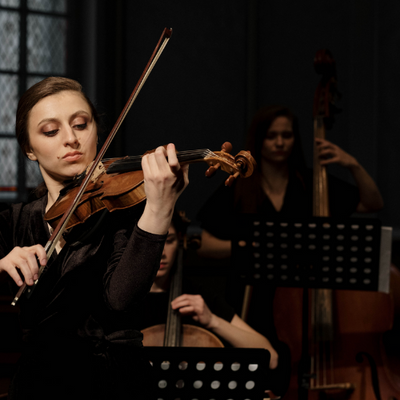
Every year, when CCA sign-ups begin, many students (and parents) face the same question: Should I join the school orchestra?
For some, it feels like the obvious next step after years of violin or cello lessons. For others, it feels intimidating — auditions, rehearsals, performances, and the fear of not being “good enough.”
So how do you decide?
Let’s break it down.
What Is a School Orchestra, Really?
A school orchestra isn’t just a group of students playing instruments together. It’s an ensemble made up of different sections — first violins, second violins, violas, cellos, double basses, sometimes woodwinds and percussion — all working together under a conductor.
Unlike solo lessons, orchestra teaches you how to:
- Follow a conductor
- Listen actively
- Support others musically
It’s less about standing out, and more about creating something bigger than yourself.

5 Benefits of Joining Your School Orchestra
1. You Grow Faster Musically
Playing in an ensemble forces you to sight-read regularly, count carefully, and adjust your intonation in real time. You learn how your part fits into harmony — something solo practice doesn’t fully teach.
Many students find their rhythm, tone awareness, and confidence improve significantly within a year.
2. You Learn Discipline and Time Management
Weekly rehearsals, sectionals, and concert preparation require commitment. You can’t skip practice and expect to blend seamlessly.
Balancing orchestra with homework and other responsibilities builds structure — a skill that carries far beyond music.
3. You Build Real Friendships
There’s something special about preparing for a concert together. The shared stress before going on stage. The inside jokes during sectionals. The relief after the final bow.
Orchestra isn’t just about music — it’s about community.
4. You Gain Confidence Through Performance
Performing regularly builds stage confidence. The more you perform, the less intimidating it becomes.
Standing under bright lights with your peers teaches you how to handle pressure — calmly and professionally.
5. It Strengthens Your Portfolio
In Singapore, participation in an orchestra can support DSA applications and demonstrates long-term commitment to the arts.
Even if you don’t pursue music professionally, universities value sustained involvement in meaningful activities.

The Challenges (Let’s Be Honest)
Orchestra isn’t always easy.
Time Commitment
Rehearsals can be long, especially before major concerts or competitions. There will be weeks where balancing academics feels tough.
Performance Pressure
Before concerts, nerves are real. But learning to manage them is part of growth.
Who Should Consider Joining?
- Students who already enjoy playing and want to experience ensemble music
- Beginners who want structured musical exposure
- Students preparing for graded exams who want broader musicianship
- Anyone curious about performing in a team setting
You don’t need to be the best player in your class. Orchestra is where many students become better.
When It Might Not Be the Right Fit
If your schedule is already overwhelmed, or if music feels like constant pressure rather than joy, it’s okay to reconsider.
There are other ways to stay musical — chamber groups, casual ensembles, or simply continuing lessons privately.
The goal isn’t to collect achievements. It’s to grow meaningfully.
Tips Before You Say Yes
- Speak to seniors about rehearsal culture
- Attend a trial rehearsal if possible
- Ask about time commitments during peak periods
- Set personal goals: Do you want to improve musically? Perform more? Make friends?
Clarity makes commitment easier.

Final Thoughts
Joining your school orchestra isn’t just about adding a CCA to your portfolio.
It’s about learning to listen, to lead, to support, and to grow alongside others.
Years later, most students don’t remember the exact pieces they played — but they remember the friendships, the stage lights, and the feeling of creating something powerful together.
If that excites you, orchestra might just be the right place to be.